
A new report from Sol Yucatan accuses the current Morena-led government of engaging in “media terrorism,” silencing critics through censorship, online harassment, and blocking journalists and citizens from official channels.
Allegations of Censorship
- On May 25, 2026, during a morning press conference, the President urged Mexicans not to watch TV Azteca, a move described as an unprecedented act of censorship against freedom of the press.
- The article argues that the government responds to criticism with bots and insults, creating what it calls “verbal terrorism” against dissenting voices.
- Journalists, influencers, and digital creators report being blocked from social media accounts of officials, preventing them from questioning or exposing government actions.
Key Figures Involved
- Ricardo Salinas Pliego, owner of TV Azteca, publicly rebuked the government, stating: “We show what your government wants to hide.”
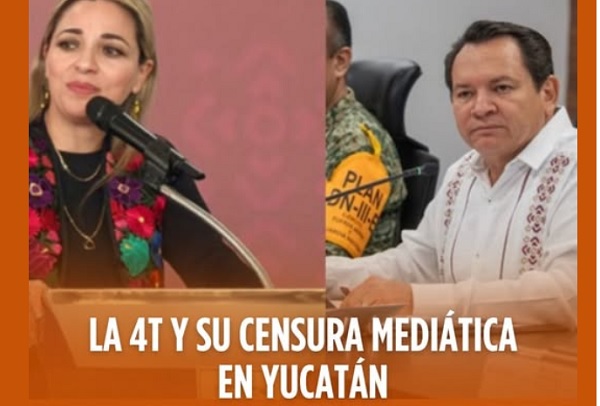
- Local politicians, including Naomi Raquel Peniche López and Governor Joaquín Díaz Mena, are accused of blocking critics online, violating constitutional rights to free expression.
- The report highlights that such actions could lead to political trials, as censorship infringes upon Articles 5, 6, and 7 of Mexico’s Constitution, which guarantee freedom of speech and professional activity.
Broader Implications
- The piece warns that censorship undermines democracy and erodes public trust.
- By silencing dissent, officials risk escalating political backlash and potential legal consequences.
- Analysts argue that tolerance of criticism was a hallmark of past administrations, but today’s government shows intolerance and hostility toward even minimal opposition.
The accusations of “media terrorism” reflect growing tensions between the press and the Morena government in Yucatán and Mexico at large. As censorship intensifies, the debate over freedom of expression and accountability is likely to become a central issue in the country’s political landscape.
Source: Sol Yucatan