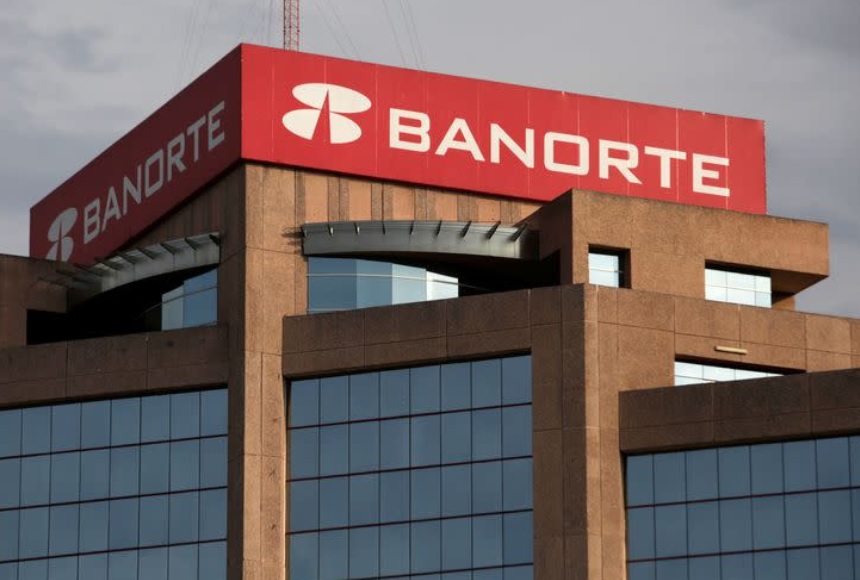

MÉRIDA, YUCATAN — Financial disputes and bank fraud are on the rise in Yucatán, driven by a sharp surge in credit card complaints and unauthorized digital transactions, according to new figures released by Mexico’s National Commission for the Protection and Defense of Financial Services Users (Condusef).
During the first half of 2026, Condusef registered 4,121 formal claims in the state, marking an 11.2% increase compared to the same period last year. Alleged fraud accounted for 28.8% of all complaints, driven primarily by unrecognized charges and unauthorized online transactions.
Credit cards have become the primary source of conflict for consumers, with complaints surging 47.3% year-over-year from 811 to 1,195 cases. Together, credit cards, debit cards, and personal loans represented 72.3% of all financial grievances in the state, while commercial banks accumulated 61.4% of total complaints. In addition to fraudulent charges, consumers frequently reported difficulties canceling financial products and resolving errors on digital banking platforms.
Geographically, the state capital of Mérida concentrated 82.1% of all cases, followed by Kanasín (2.6%) and Progreso (2%). According to the agency, men accounted for 54.9% of complainants and women 45.1%, with senior citizens listed among the most vulnerable groups affected by card and loan disputes.
Nationally, Condusef recorded 118,287 complaints over the six-month period—an 11.3% annual increase—with fraud-related cases climbing 16.7% to 43,871. In Yucatán, mediation and reconciliation procedures successfully recovered 28.9 million pesos (approximately $1.5 million USD) for affected consumers.
The report highlights a growing paradox in the region: as residents increasingly adopt online banking and digital payment tools, their vulnerability to cyber fraud and electronic scams rises accordingly, placing greater pressure on regulatory authorities and banking institutions to bolster cybersecurity safeguards.
Source: Sol Yucatan